
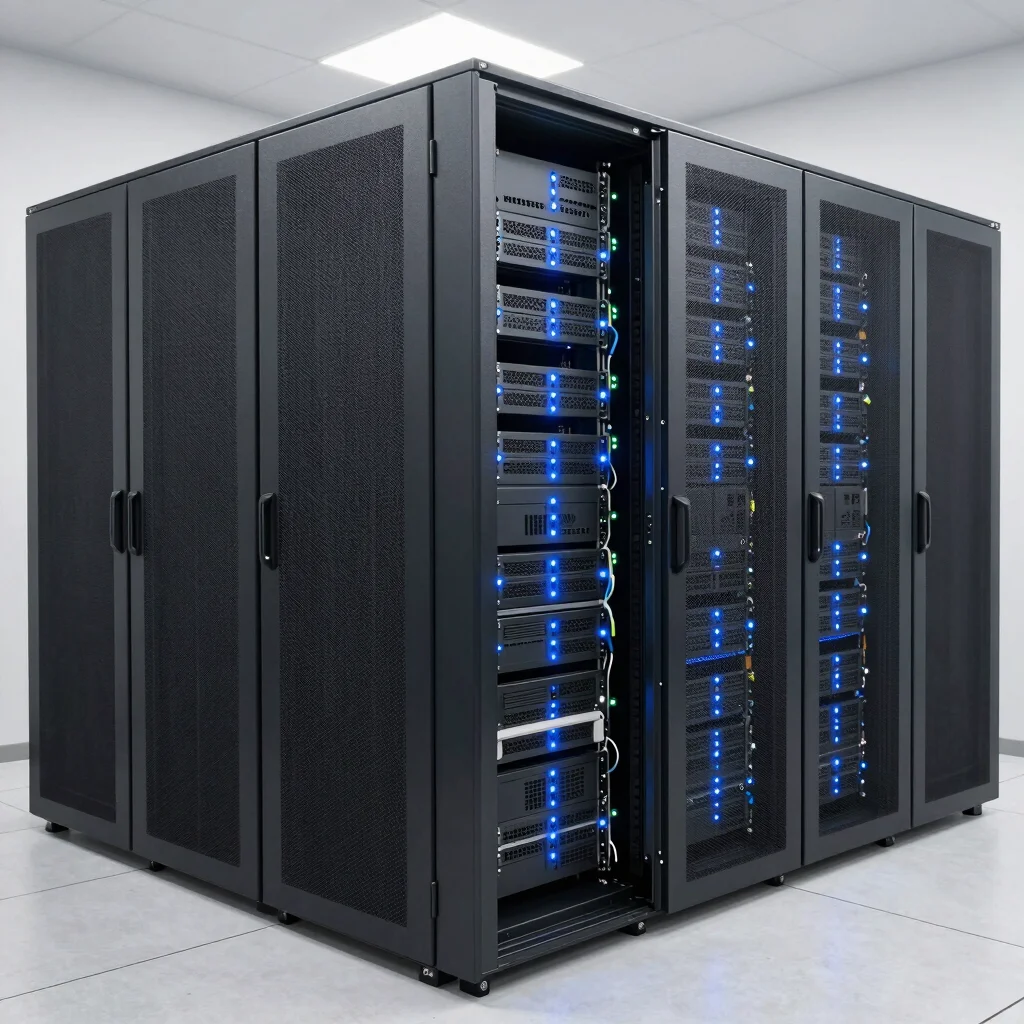
Relying on a single cloud vendor or a solitary data center region creates a single point of failure that enterprise operations cannot afford. When core applications go offline, the financial and reputational cost accumulates within minutes. True enterprise resilience demands a hybrid architecture that distributes workloads across isolated cloud regions and on-premises hardware without introducing unmanageable operational friction.
Mapping Dependencies Before Migrating Workloads
Before deploying redundant nodes, engineering teams must complete a comprehensive audit of all system dependencies and state management protocols. Legacy databases and monolithic service layers often carry hidden coupling that breaks during automated failover sequences. Grouping services by transactional sensitivity allows teams to establish clear tiering for backup priority and synchronization intervals.
Implementing Active-Active Failover Across Regions
An active-passive setup often leaves standby infrastructure untested until a crisis strikes, leading to unexpected configuration drift during a cutover. Implementing active-active routing ensures that traffic flows continuously through alternate data pipelines while keeping data stores synchronized in real time. Intelligent DNS routing and localized load balancing minimize latency for regional end users during normal operations.
Validating Resilience Through Simulated Outages
Infrastructure redundancy remains a theoretical construct until it undergoes rigorous stress testing under production-like conditions. Proactive monitoring tools should continuously evaluate heartbeat signals and network packet loss across cloud links to detect degradation early. Scheduled chaos engineering exercises verify that automated failover triggers activate without human intervention when primary gateways drop.
Building a zero-downtime architecture is not about purchasing complex software suites, but maintaining strict discipline around workload isolation and failover automation. Organizations that invest in robust hybrid topologies protect their bottom line and keep operations running smoothly through unexpected provider outages.